Polo Player v Jockey: Analysing The Turkish Trademark Department’s Device Marks Decision


The Trademarks Department of the Turkish Patent and Trademark Office (the Trademarks Department) has recently highlighted, in a dispute where the similarity of device marks and the well-known status argument were primary issues, that the evidence submitted in response to a proof-of-use request proved to be critically important to the success prospects of the opposition file.
Opposition grounds and device mark differences
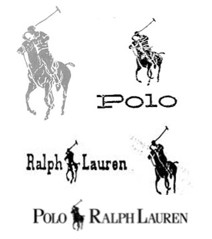
The device trademark application shown below, seeking registration in Class 25 of the Nice Classification, was opposed primarily on the grounds of likelihood of confusion, the well-known status argument, and bad faith. In support of the opposition, the opponent cited its earlier-registered device and device + word combination marks, some of which are also registered in Class 25.
|
|
 |
|
Opposed application |
Trademarks cited as grounds for opposition |
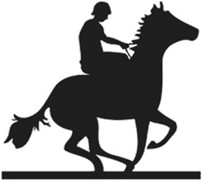
In the counterstatements to the opposition, a proof-of-use request was made with respect to the opponent’s marks whose five-year period from the date of registration had expired. Regarding the likelihood of confusion, the applicant argued that the opposed trademark application depicts a jockey, whereas the opponent’s cited marks depict a polo player on horseback. The differences between these sports were analysed through their visual representations; for instance:
-
One image shows a polo mallet and the rider’s motion for striking, whereas the other does not;
-
The horse’s tail is free in the riding depiction but short and tied in the other; and
-
One includes a bridle while the other does not.
The applicant explained in detail that these visual elements create distinct overall impressions. Decisions by foreign intellectual property offices supporting these arguments were also cited.
Furthermore, it was emphasised that for the relevant apparel/accessory products in these different activities, the average consumer’s level of attention is higher, reducing the likelihood of confusion. In addition, marks using similar polo player figures have long existed in the same sector, demonstrating the coexistence of such designs.
Insufficient evidence of use
It was noted that the evidence of use submitted by the opponent did not cover the relevant period for proving use and that the submitted invoices were not matched to the relevant products, failing to demonstrate which marks had actually been used. The Trademarks Department also assessed that the evidence of use provided by the opponent was insufficient, and therefore the marks for which proof of use was requested were not taken into account in the examination of likelihood of confusion.
Assessment of similarity and well-known marks
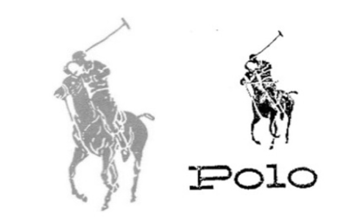
With respect to the opponent’s trademarks that were not open to a proof-of-use request, the Trademarks Department found the marks to be similar only in terms of the device mark shown below left, without providing any assessment of the differentiating elements mentioned above, and not for the opponent’s other mark containing the essential word element.
However, the Trademarks Department noted that the relevant mark did not cover Class 25, and that the goods and services were not similar, concluding that there was no likelihood of confusion. Furthermore, although the opponent’s mark shown below right is registered as a well-known mark with the office, the Trademarks Department determined that since the mark consists of a “word + device” element, the word element predominates, and therefore there is no likelihood of confusion.
First published by ManagingIP in Dec 08, 2025.